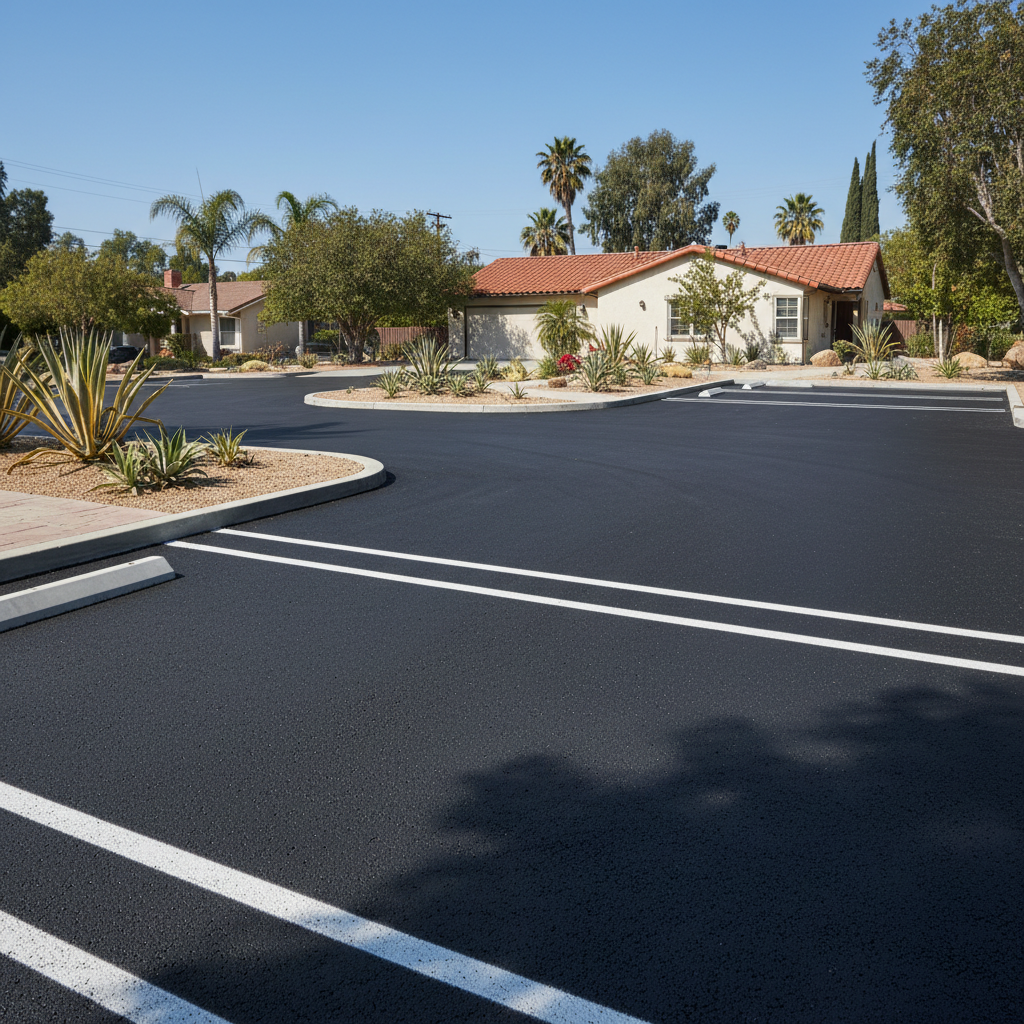
Alright, let's talk parking lots. If you own a property here in Los Angeles, whether it's a small business, an apartment complex, or even a large residential estate, at some point you're probably going to deal with paving. And trust me, I've seen a lot of folks make some pretty basic, but really expensive, mistakes when they're planning or hiring for these projects.
You want a smooth, durable surface that lasts, right? Not a patch job that falls apart after the first Santa Ana winds or a contractor who disappears halfway through. So, here's what I tell my clients to watch out for.
Mistake #1: Skipping the Site Prep Details
This is probably the biggest one. People get focused on the asphalt itself, but a parking lot is only as good as what's underneath it. I'm talking about proper grading, drainage, and a solid sub-base. Here in LA, especially in areas with expansive clay soils like parts of the San Fernando Valley, you *have* to get the sub-base right. If you don't, you're looking at cracks, potholes, and a wavy surface way sooner than you should be. A good contractor will spend time on this, checking soil conditions, ensuring proper compaction, and making sure water will drain away from your lot, not pool on it. If a bid seems too low, it's often because they're cutting corners on the prep work. Don't let them.
Mistake #2: Not Understanding Drainage Requirements
Following up on site prep, drainage is critical. You can't just pave over existing problems. Los Angeles gets some serious downpours, even if they're infrequent. Water is asphalt's worst enemy. If your lot isn't designed to shed water properly, it'll seep into the sub-base, weaken it, and cause premature failure. I've seen properties where water consistently pools in certain spots, and those areas always crack and break down first. Make sure your contractor has a clear plan for slopes, catch basins, and tie-ins to existing storm drains. They should be talking about positive drainage, not just hoping for the best.
Mistake #3: Going for the Cheapest Bid Without Due Diligence
Look, I get it. Everyone wants to save a buck. But when it comes to something as substantial as a parking lot, the cheapest bid is almost never the best value. This isn't like buying a gallon of milk. A low bid often means one of a few things: they're using inferior materials, they're underestimating the job, they're skipping crucial steps (like that site prep I just mentioned), or they're not properly insured or licensed. Always ask for proof of licensing and insurance. Call their references. Check their reviews. A reputable company, like us at Los Angeles Diamond Asphalt, will provide a detailed quote explaining exactly what you're paying for, from excavation to the final layer of asphalt.
Mistake #4: Ignoring Ongoing Maintenance
A new parking lot isn't a 'set it and forget it' kind of deal. It needs love. Many homeowners think once it's paved, they're done for decades. Not true. Sealcoating, crack filling, and prompt repairs are essential to extending the life of your asphalt. If you let small cracks turn into big potholes, you're looking at much more expensive repairs down the line, or even a full replacement much sooner than necessary. Think of it like changing the oil in your car. It's preventative maintenance that saves you a ton of money in the long run. Ask your contractor about a maintenance plan or what they recommend for aftercare.
Mistake #5: Not Getting Everything in Writing
This might seem obvious, but you'd be surprised. A handshake and a verbal agreement just won't cut it for a project of this size. Your contract should clearly outline the scope of work, materials to be used (including thickness of layers), timelines, payment schedule, warranty information, and who's responsible for what. If it's not in writing, it didn't happen. This protects both you and the contractor and prevents misunderstandings down the road. Don't be afraid to ask questions until you understand every line item.
Paving a parking lot is a significant investment. By avoiding these common pitfalls, you'll ensure you get a quality, long-lasting product and avoid the headaches that come with a poorly executed job. Do your homework, ask the right questions, and don't rush into a decision. Your wallet, and your property, will thank you for it.