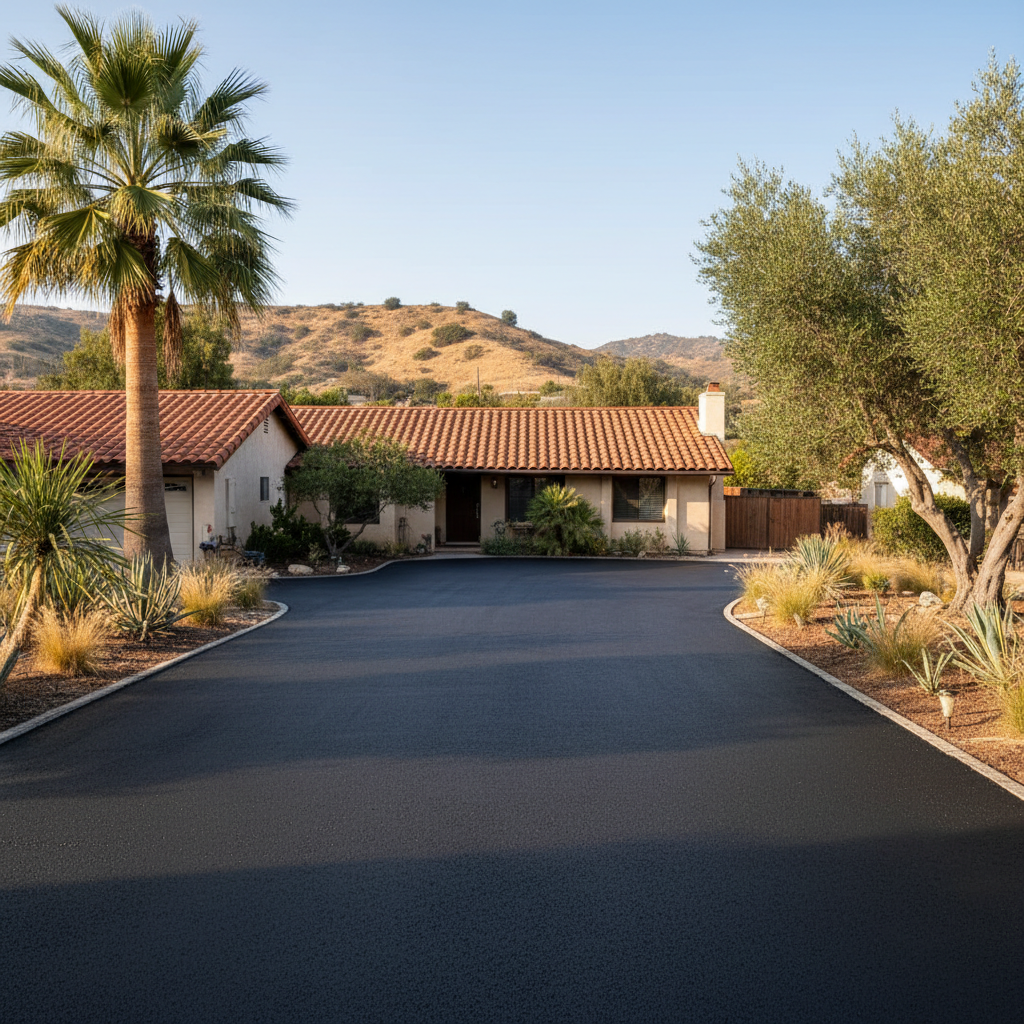
Got asphalt? Then you know slurry coating is super important for keeping it looking good and making it last. But when's the absolute best time to get it done here in Los Angeles? It's not just about slapping it on, you know; our specific local climate really dictates how well that slurry cures and performs. I've seen countless driveways and parking lots in my career, and trust me, timing makes all the difference.
Why LA Weather Really Matters for Slurry Seal
Slurry seal isn't just paint. It's a mix of asphalt emulsion, aggregate (think tiny rocks), water, and some special additives. For it to cure right, that water has to evaporate slowly and evenly. If it dries too fast, it can crack. If it stays wet too long, it just won't bind correctly. That's why temperature and humidity are such a big deal.
Here in LA, our climate is generally pretty mild, but we definitely get our extremes. Those hot, dry Santa Ana winds? They're terrible for fresh slurry. They can suck the moisture right out, leading to cracks way too soon or a brittle finish. On the flip side, our marine layer, especially closer to the coast, can keep things damp longer than you'd want. This slows down the cure time and makes the surface vulnerable to tracking — nobody wants that.
The Best Time to Schedule Your Slurry Coating
So, when's the sweet spot? Generally, I tell folks to aim for spring or fall. That means late April through early June, or September through October. Here's why:
- Moderate Temperatures: You really want daytime temps to stay consistently between 60 and 85 degrees Fahrenheit. This lets the water evaporate at a controlled rate, allowing the asphalt emulsion to bond properly.
- Lower Humidity: We usually get drier air during these seasons. This helps the curing process without being excessively dry, like during a Santa Ana event.
- Less Rain Risk: Sure, LA isn't known for constant rain, but a sudden downpour on fresh slurry is a total disaster. Spring and fall typically have fewer unexpected rain showers than winter, and less intense heat than summer afternoon pop-up storms.
Summer can work, but you've really got to be careful. If it's a scorcher, like those 100-degree days we get in the Valley, the surface can dry way too fast. We might have to adjust our mix or work super early in the morning to avoid the peak heat. Winter? Forget about it. Too much chance of cold temps and rain, which will just wash your investment right down the drain.
What to Watch Out For Before and After
Before we even start, you need to make sure the forecast is clear. We're talking at least 24-48 hours of dry weather *after* application. If there's even a small chance of rain, we'll reschedule. It's just not worth the risk for either of us.
Once it's down, you'll need to keep traffic off it. The typical cure time for light foot traffic is 4-8 hours, but for vehicles, you're looking at 24-48 hours, sometimes even longer depending on the specific product and conditions. Don't rush it! Driving on it too soon is how you end up with tire marks and a damaged surface.
Protecting Your Investment Year-Round
Slurry coating isn't a one-and-done deal for life, but it's a fantastic protective layer. To make sure it lasts, here's what you can do:
- Keep it Clean: Sweep off dirt, leaves, and debris regularly. This stops organic matter from breaking down on the surface and keeps it looking sharp.
- Address Spills Quickly: Oil, gas, and other chemicals are asphalt's worst enemies. Blot them up immediately. A little dish soap and water can help, but avoid harsh detergents.
- Trim Overhanging Branches: Sap and shade can cause problems. Sap is sticky and hard to remove, and constant shade can keep the surface damp, encouraging moss or mildew growth.
- Watch for Cracks: Even with slurry, small cracks can form over time. Catch them early! Filling them with a good crack sealant prevents water from getting underneath and causing bigger problems like potholes.
- Re-apply Slurry Every Few Years: Depending on traffic and sun exposure, you'll want to re-apply slurry seal every 3-7 years. Think of it like sunscreen for your asphalt, protecting it from UV rays and oxidation.
Taking care of your asphalt, especially with a well-timed slurry seal, extends its life significantly. We at Los Angeles Diamond Asphalt are always happy to come out, assess your pavement, and give you an honest opinion on the best plan for your property. Don't wait until those small cracks become big headaches.