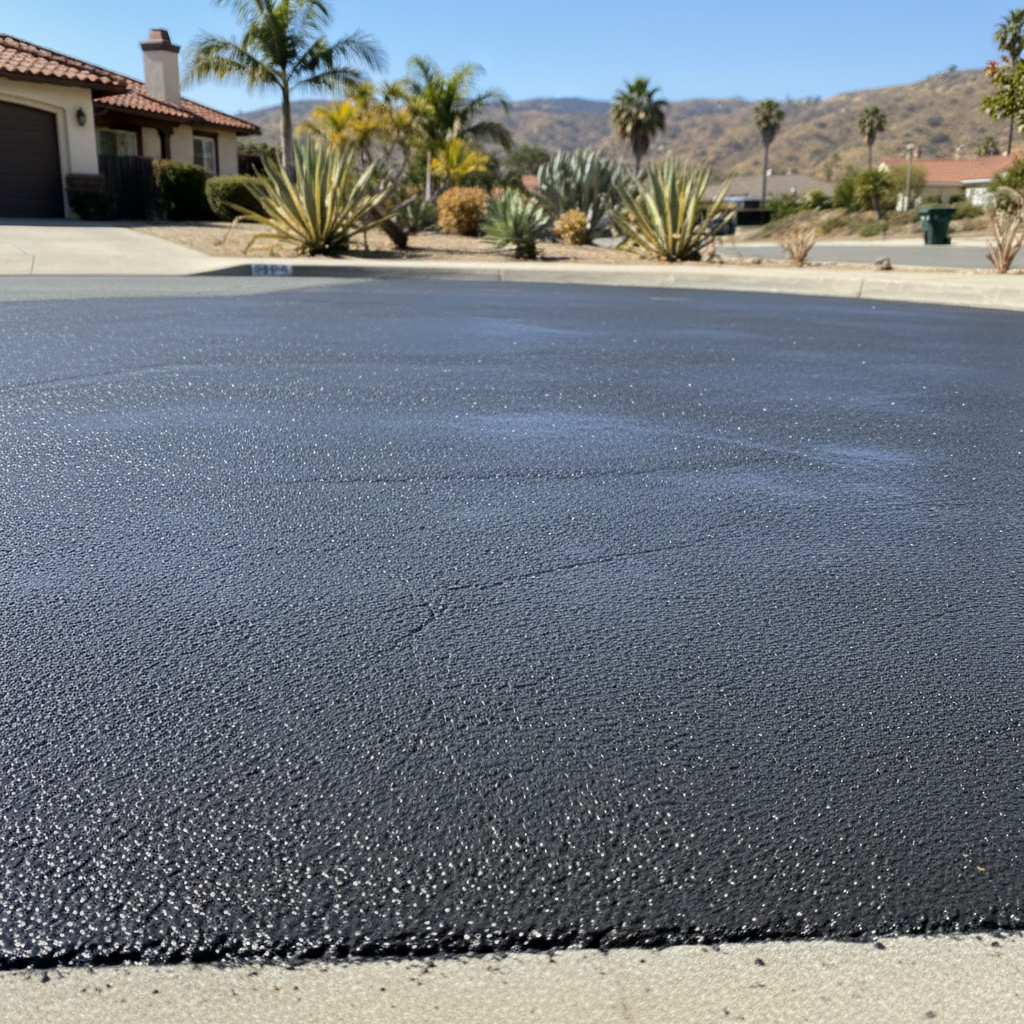
Alright, let's talk about slurry coating. You've probably seen it, maybe even wondered if it's something you can tackle yourself to spruce up that tired-looking asphalt driveway. It's a common question, especially here in LA where the sun bakes everything year-round. Slurry coating, also known as sealcoating, is basically a protective layer you put over your existing asphalt. It's not a miracle cure for a totally busted driveway, but it can do wonders for extending the life of your pavement and making it look sharp again.
Before You Even Think About Slurry
First things first: check out your driveway. Is it just faded and a little rough on the surface? Or do you have big cracks, potholes, or areas that are crumbling? If it's the latter, slurry coating isn't your first step. You need to get those repairs done properly. Slurry coating is a preventative measure and a cosmetic upgrade, not a structural fix. Think of it like painting over rust – it'll look good for a minute, but the problem underneath is still there and will pop through eventually.
You also need to clean that surface like you're prepping for surgery. Seriously. Any dirt, oil, grease, loose gravel, or organic matter (like those pesky jacaranda tree leaves that get everywhere in the spring) will stop the slurry from sticking right. I'm talking pressure washing, scrubbing, and sweeping. Make sure it's bone dry before you apply anything. Oh, and check the weather forecast. You want a few days of clear, warm, dry weather. No point in doing all that work just for a surprise rain shower to wash it all away, right?
The DIY vs. Pro Debate: What You Can Realistically Do
So, can you do it yourself? For a small, relatively new, and well-maintained driveway with minimal cracking, sure, you can. You can buy buckets of asphalt emulsion slurry from home improvement stores. Here's what that usually involves:
- Patching: Fill any minor cracks (1/4 inch or less) with a crack filler a few days beforehand.
- Cleaning: As I said, thorough cleaning is key.
- Application: You'll typically pour the slurry out in sections and spread it evenly with a squeegee or a specialized brush. It's a workout, and you need to work fast and consistently to avoid lap marks.
- Curing: You'll need to keep traffic off it for at least 24-48 hours, sometimes longer depending on temperature and humidity.
Now, when should you call a pro? Pretty much any time your driveway is larger than a single-car pad, has significant cracking, or if you just don't have the time, patience, or physical ability to do a good, even job. Pros have industrial-grade materials, specialized equipment (like spray applicators that give a much more even finish), and the experience to handle different asphalt conditions. They'll also properly prep the surface, which often includes power sweeping, blowing, and degreasing. Plus, they know the right mix for our specific climate and soil conditions here in Southern California, where the intense sun and occasional heavy rains can really take a toll.
For instance, if you're in a place like the Hollywood Hills with a long, winding driveway, trying to DIY that would be a nightmare. You'd be exhausted, and the results would likely be uneven and patchy. A professional team, like us at Los Angeles Diamond Asphalt, can get it done efficiently and correctly, ensuring a uniform, durable finish.
During the Project: What to Watch For
Whether you're doing it yourself or hiring someone, pay attention during the application. If you're DIYing, make sure you're applying it in thin, even coats. Don't try to glob it on thick to fill imperfections; that'll just lead to peeling and cracking later. Two thin coats are always better than one thick one. If you've got a pro doing it, watch how they prep and apply. Are they filling cracks? Are they cleaning thoroughly? Are they applying it evenly without puddles?
After the Slurry: Keeping It Looking Good
Once the slurry is down and cured, the biggest thing is patience. Don't drive on it too soon. Even if it feels dry to the touch, it needs time to fully harden. Driving on it prematurely can leave tire marks, scuffs, and even peel up the fresh coating. Keep pets and kids off it too. Once it's fully cured, you'll have a beautiful, dark, protected surface.
To maintain it, just keep it clean. Sweep off dirt and debris regularly. Clean up oil or gas spills immediately. And remember, slurry coating isn't a permanent solution. Depending on traffic and weather, you'll likely need to reapply every 2-5 years to keep your asphalt in top shape. It's an investment in your property's longevity and curb appeal. Do it right, and your driveway will thank you.
Final Thoughts
Look, slurry coating is a great way to protect your asphalt and make your property look better. For small, simple jobs, a homeowner can definitely give it a shot. But for anything more complex, or if you just want a professional finish that lasts, calling in an experienced asphalt contractor is always the smarter play. We've seen it all, and we know how to get it done right the first time.